Sauna, Immunity, and Winter Resilience
Why Frequent Users May Experience Fewer Severe Respiratory Illnesses
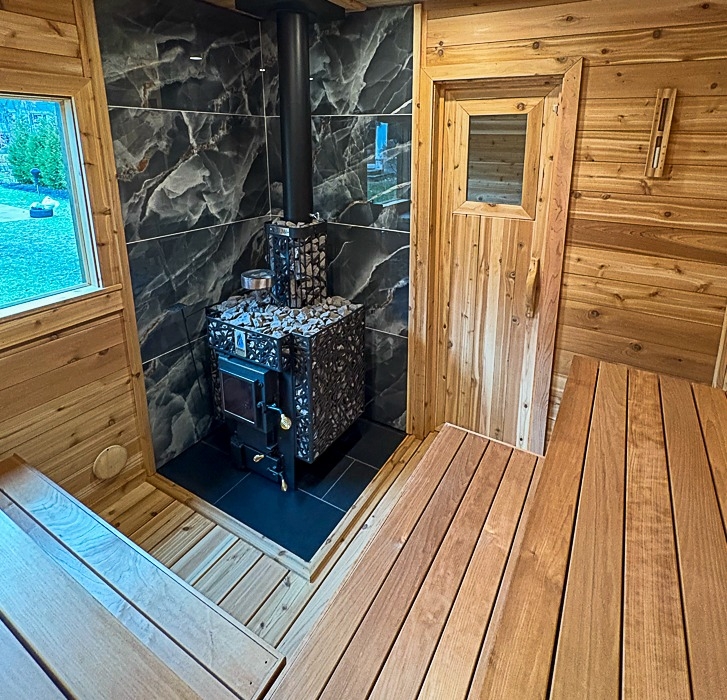
Here is Part 3 of our 4-part series on the health benefits of sauna.
Midwestern winters place sustained stress on the respiratory system. Cold air, dry interiors, and reduced movement can create conditions for illness to spread easily.
Long-term Finnish sauna research suggests that frequent users experience significantly lower rates of pneumonia, with studies reporting up to a 37% reduced risk among individuals using a sauna multiple times per week compared to those who rarely use one.1
How Heat Supports Immune Function
According to the research, heat supports the immune system in the following ways:
Moisture Control Is Critical
In cold climates, poor sauna construction can create moisture problems that compromise indoor air quality. Vapor barriers, ventilation strategies, material selection, and integration with mechanical systems are non‑negotiable – particularly near large lake shore communities like those along Lake Michigan and Lake Geneva, where winter vapor dynamics are unforgiving.
A sauna is a complex structure, and not all saunas are built the same. Again, do your research on the both the type and builder of the sauna. Moisture control is critical to the function and longevity of the sauna. Be sure that the design specifies proper insulation and vapor control, and that the installer has experience building quality saunas.
Daily sauna use is not:
What the research actually reflects:
A sauna intended for frequent use must meet electrical and fire‑safety standards, ventilation requirements, moisture‑management best practices, and Illinois and Wisconsin code compliance. There is a meaningful difference between installing a sauna and engineering one.
At Ciancio Engineering, we take the approach that a sauna is an extension of you and your home. We build high-quality, custom saunas for private residences in Chicago with a focus on longevity, safety, and architectural integration to create a health and wellness sanctuary that you’ll use today and for decades to come.
References
1. Kunutsor, S. K., et al. Sauna bathing reduces the risk of respiratory diseases. European Journal of Epidemiology, 2017
Go Back Midwestern winters place sustained stress on the respiratory system. Cold air, dry interiors, and reduced movement can create conditions for illness to spread easily.
Long-term Finnish sauna research suggests that frequent users experience significantly lower rates of pneumonia, with studies reporting up to a 37% reduced risk among individuals using a sauna multiple times per week compared to those who rarely use one.1
How Heat Supports Immune Function
According to the research, heat supports the immune system in the following ways:
- Improved circulation supporting immune response
- Enhanced airway clearance
- Reduced stress‑related immune suppression
- Heat‑induced immune activation
Moisture Control Is Critical
In cold climates, poor sauna construction can create moisture problems that compromise indoor air quality. Vapor barriers, ventilation strategies, material selection, and integration with mechanical systems are non‑negotiable – particularly near large lake shore communities like those along Lake Michigan and Lake Geneva, where winter vapor dynamics are unforgiving.
A sauna is a complex structure, and not all saunas are built the same. Again, do your research on the both the type and builder of the sauna. Moisture control is critical to the function and longevity of the sauna. Be sure that the design specifies proper insulation and vapor control, and that the installer has experience building quality saunas.
Daily sauna use is not:
- Prolonged extreme heat
- Combined with alcohol
- Risk‑free for everyone
- A substitute for medical care
What the research actually reflects:
- Short, repeatable sessions
- Moderate consistency
- Hydration and cooling periods
- Traditional sauna environments
A sauna intended for frequent use must meet electrical and fire‑safety standards, ventilation requirements, moisture‑management best practices, and Illinois and Wisconsin code compliance. There is a meaningful difference between installing a sauna and engineering one.
At Ciancio Engineering, we take the approach that a sauna is an extension of you and your home. We build high-quality, custom saunas for private residences in Chicago with a focus on longevity, safety, and architectural integration to create a health and wellness sanctuary that you’ll use today and for decades to come.
References
1. Kunutsor, S. K., et al. Sauna bathing reduces the risk of respiratory diseases. European Journal of Epidemiology, 2017